Cart
0
Dark Chocolate Lovers’ Essential Pairing



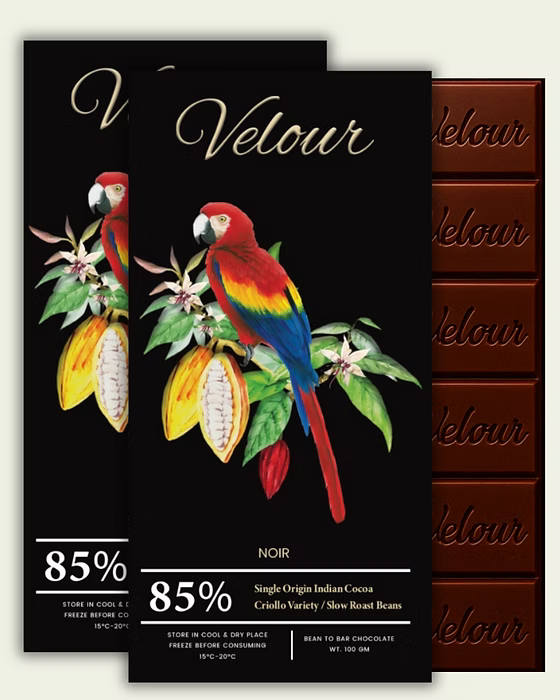
Confused about whether to choose milk chocolate or dark chocolate? Understanding the difference between these two popular chocolate varieties can help you make better choices for your health, taste preferences, and culinary needs. This comprehensive guide breaks down everything you need to know about milk chocolate vs dark chocolate in 2026, from ingredients and health benefits to taste profiles and the best uses for each type.
Key Differences Between Milk Chocolate and Dark Chocolate
The primary difference between milk chocolate and dark chocolate lies in their ingredients, cocoa content, and nutritional profiles:
Ingredient Composition
Dark Chocolate:
- High cocoa content (50-90% or more)
- Cocoa solids and cocoa butter
- Sugar (less than milk chocolate)
- No milk solids (or minimal in some varieties)
- Pure, intense chocolate flavor
Milk Chocolate:
- Lower cocoa content (10-50%)
- Cocoa solids and cocoa butter
- Milk powder or condensed milk
- Higher sugar content
- Creamier, sweeter taste
Cocoa Content Comparison
The cocoa percentage directly impacts flavor, texture, and health benefits:
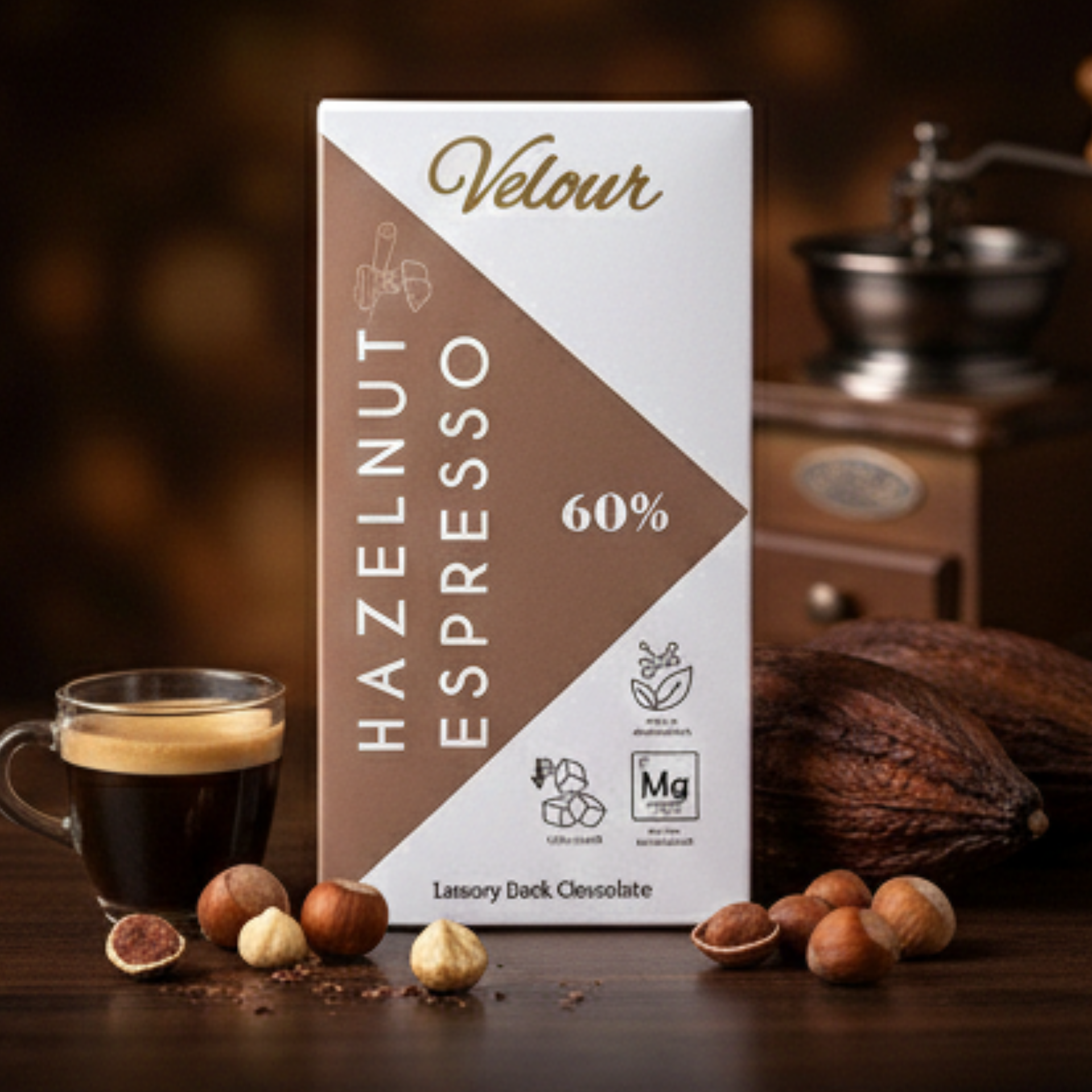
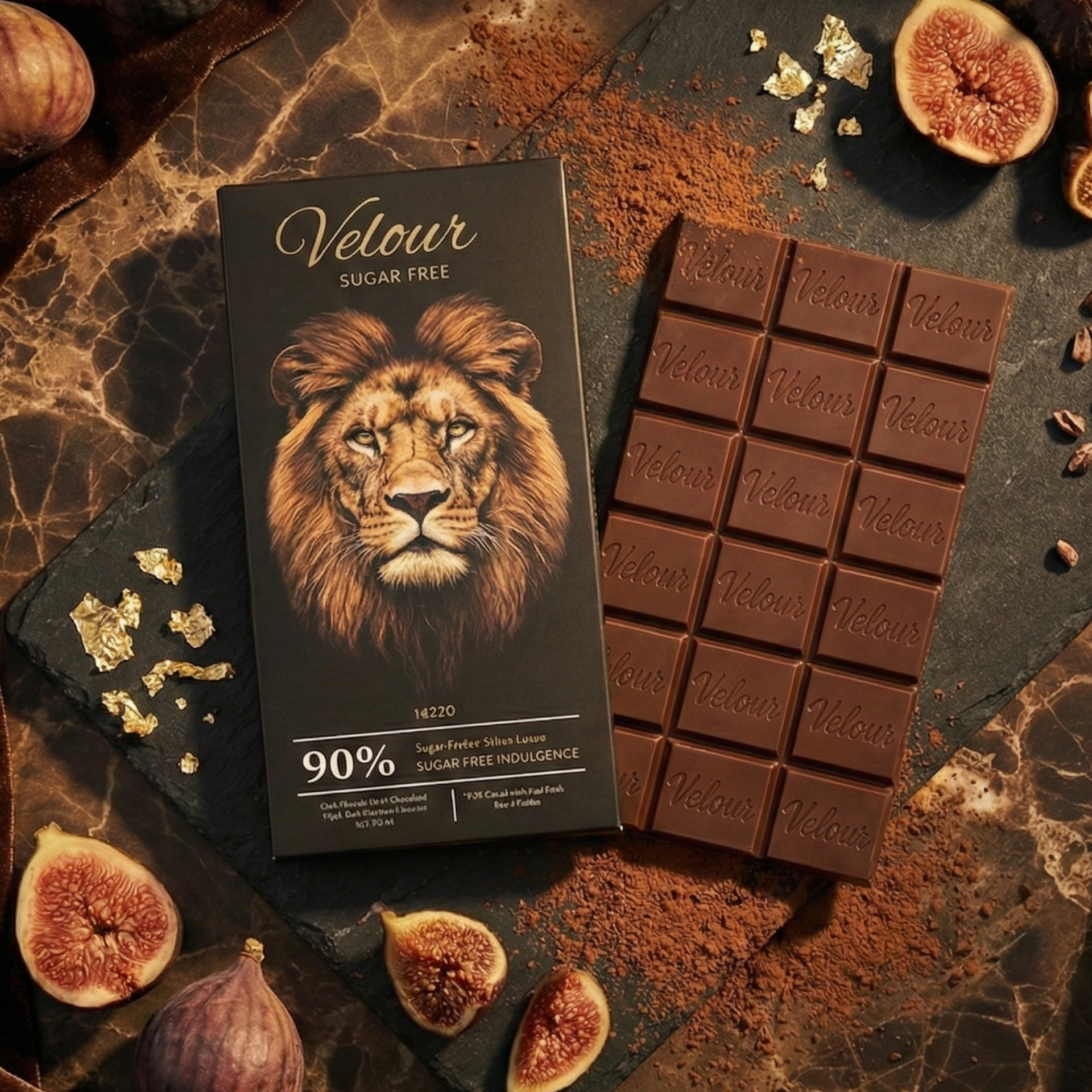
- Dark Chocolate: 60-90% cocoa (Velour offers 60%, 75%, 85%, and 90%)
- Milk Chocolate: 10-50% cocoa
- Higher cocoa = more antioxidants and less sugar
Health Benefits: Dark Chocolate vs Milk Chocolate
Dark Chocolate Health Advantages
1. Rich in Antioxidants
Dark chocolate contains flavonoids and polyphenols that fight free radicals and support overall health.
2. Heart Health Support
Studies show dark chocolate may help lower blood pressure and improve blood flow.
3. Brain Function
The flavonoids in dark chocolate can enhance cognitive function and mood.
4. Lower Sugar Content
Dark chocolate typically contains less sugar than milk chocolate, making it a better choice for blood sugar management.
5. Mineral Rich
High-quality dark chocolate provides iron, magnesium, copper, and manganese.
6. Dairy-Free Option
Most dark chocolate is naturally vegan and dairy-free, perfect for lactose-intolerant individuals.
Milk Chocolate Benefits
1. Calcium Content
The milk solids provide calcium for bone health.
2. More Palatable for Beginners
The sweeter, creamier taste appeals to those new to chocolate.
3. Energy Boost
Higher sugar content provides quick energy.
Taste Profile Differences
Dark Chocolate Flavor
- Intense, rich chocolate taste
- Slightly bitter notes
- Complex flavor profiles with hints of fruit, nuts, or spices
- Less sweet
- Firm texture with clean snap
Velour's bean-to-bar dark chocolates showcase the natural flavors of organic Indian cacao, offering unique taste experiences across different cocoa percentages.
Milk Chocolate Flavor
- Sweet and creamy
- Mild chocolate taste
- Smooth, melt-in-your-mouth texture
- Caramel-like notes from milk
- Kid-friendly appeal
Best Uses for Each Chocolate Type
When to Choose Dark Chocolate
✓ Health-conscious snacking
✓ Baking recipes requiring intense chocolate flavor
✓ Pairing with wine, cheese, or coffee
✓ Creating sophisticated desserts
✓ Gifting to chocolate connoisseurs
✓ Daily antioxidant boost
When to Choose Milk Chocolate
✓ Sweet treats and candy
✓ Kids' desserts
✓ Hot chocolate drinks
✓ Casual snacking
✓ Baking cookies and brownies
✓ Chocolate coating for fruits
Nutritional Comparison
Per 100g serving:
Dark Chocolate (70-85% cocoa):
- Calories: 600-650
- Fat: 43-50g
- Carbohydrates: 45-50g
- Sugar: 24-30g
- Protein: 7-10g
- Fiber: 10-11g
Milk Chocolate:
- Calories: 535-550
- Fat: 30-32g
- Carbohydrates: 59-62g
- Sugar: 51-54g
- Protein: 7-8g
- Fiber: 3-4g
Which is Better for Weight Management?
Dark chocolate wins for weight management due to:
- Lower sugar content
- Higher fiber (increases satiety)
- More satisfying in smaller amounts
- Less likely to spike blood sugar
However, moderation is key with both varieties.
Chocolate for Baking: Which Should You Use?
Dark Chocolate for Baking
Best for:
- Sophisticated desserts
- Chocolate ganache
- Mousse and tarts
- Artisan truffles
- Brownies with intense flavor
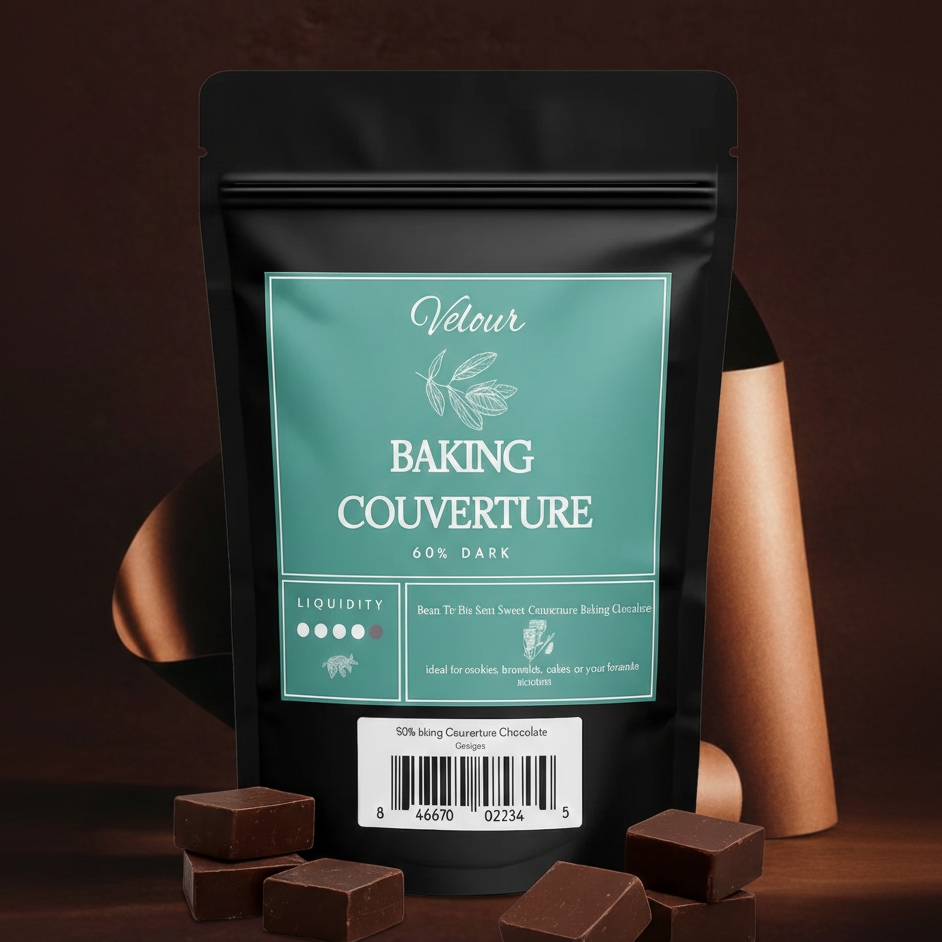
Velour's premium couverture chocolate offers high cocoa butter content that melts beautifully for baking.
Milk Chocolate for Baking
Best for:
- Chocolate chip cookies
- Milk chocolate frosting
- Children's birthday cakes
- Sweet pastries
- Chocolate bark
Quality Matters: Choosing Premium Chocolate
For Dark Chocolate:
✓ Check cocoa percentage (higher is typically better)
✓ Look for single-origin beans
✓ Avoid artificial additives
✓ Choose organic when possible
✓ Seek bean-to-bar manufacturers
Velour's Commitment to Quality
Velour Luxury Dark Chocolates crafts premium bean-to-bar chocolate from organically grown Indian cacao. Every bar undergoes minimal processing to preserve natural flavors and maximize health benefits.
Our Range:
- 60% Dark Chocolate: Perfect introduction to premium dark chocolate
- 75% Dark Chocolate: Balanced intensity and sweetness
- 85% Dark Chocolate: Bold, sophisticated flavor
- 90% Dark Chocolate: Ultimate dark chocolate experience
Frequently Asked Questions
1. Is dark chocolate healthier than milk chocolate?
Yes, dark chocolate generally offers more health benefits due to higher antioxidant content, lower sugar, and beneficial minerals. Choose chocolate with at least 70% cocoa for maximum benefits.
2. Why does dark chocolate taste bitter?
Dark chocolate tastes bitter because it contains more cocoa solids and less sugar than milk chocolate. The natural flavonoids in cacao have a bitter taste, which becomes more pronounced in higher cocoa percentages.
3. Can I substitute milk chocolate for dark chocolate in recipes?
You can substitute, but expect different results. Milk chocolate is sweeter and creamier, which will alter the final taste and texture. Reduce added sugar if substituting milk chocolate for dark.
4. Which chocolate is better for diabetics?
Dark chocolate with high cocoa content (70%+) is better for diabetics due to lower sugar content and slower blood sugar impact. Always consume in moderation and consult your healthcare provider.
5. Is white chocolate the same as milk chocolate?
No, white chocolate contains no cocoa solids—only cocoa butter, milk, and sugar. It lacks the antioxidants and chocolate flavor found in both dark and milk chocolate.
6. Why is dark chocolate more expensive?
Dark chocolate costs more because it contains higher cocoa content (cocoa is expensive), requires quality beans, and often involves artisanal production methods like bean-to-bar processing.
7. Can children eat dark chocolate?
Yes, children can eat dark chocolate in moderation. Start with lower cocoa percentages (60-70%) as the bitter taste may be too intense initially.
8. Which chocolate is better for gifting?
Both work for gifting depending on the recipient. Dark chocolate appeals to sophisticated palates and health-conscious individuals, while milk chocolate suits those who prefer sweeter treats. Premium dark chocolate like Velour makes an elegant gift.
Conclusion: Making Your Chocolate Choice
The difference between milk chocolate and dark chocolate extends beyond taste—it affects your health, culinary results, and overall chocolate experience. While milk chocolate offers nostalgic sweetness and accessibility, dark chocolate provides superior health benefits, complex flavors, and versatility.
For those seeking the finest dark chocolate experience, Velour Luxury Dark Chocolates delivers exceptional quality through bean-to-bar craftsmanship. Our organic Indian cacao chocolates offer pure indulgence with minimal processing, no artificial additives, and maximum antioxidant benefits.
Ready to experience the difference? Explore Velour's range of premium dark chocolates, from smooth 60% to intense 90% cocoa. Whether you're a dark chocolate devotee or transitioning from milk chocolate, we have the perfect bar for your taste.
Discover why discerning chocolate lovers choose Velour for health, flavor, and quality.
Your chocolate journey starts with understanding the difference. Choose wisely. Choose Velour.