Cart
0
Dark Chocolate Lovers’ Essential Pairing



If you’ve been diagnosed with PCOS and started researching diet, you’ve almost certainly come across the term “low-glycemic.” It’s one of the most consistently recommended dietary approaches for managing PCOS — and for good reason. The science behind it is solid, the principles are practical, and the impact on symptoms can be significant.
This guide breaks it down from the beginning: what low-glycemic means, why it matters specifically for PCOS, what to eat, what to avoid, and how to make it sustainable without giving up food you love.
The glycemic index (GI) is a measure of how quickly a food raises blood glucose (blood sugar) after eating. Foods are scored on a scale of 0–100:
The glycemic load (GL) refines this further by accounting for portion size — a more practical measure for real-world eating. A low-glycemic diet prioritises low-GI and low-GL foods to keep blood sugar stable throughout the day.
PCOS and insulin resistance are deeply intertwined. Estimates suggest that 50–80% of women with PCOS have some degree of insulin resistance — even those who are lean.
When you eat high-GI foods, blood sugar spikes rapidly. The pancreas responds by releasing a surge of insulin. In women with insulin resistance, cells don’t respond efficiently to insulin, so the pancreas releases even more. This chronically elevated insulin then signals the ovaries to produce excess androgens (male hormones) — driving the core symptoms of PCOS: irregular cycles, acne, hair loss, weight gain around the abdomen, and difficulty conceiving.
A low-glycemic diet interrupts this cycle at the root. By keeping blood sugar stable, you reduce insulin output, reduce androgen signalling, and give your hormonal system a chance to rebalance.
Multiple clinical studies have shown that women with PCOS who follow a low-GI diet experience improvements in menstrual regularity, reductions in testosterone levels, improved insulin sensitivity, and better mood and energy — often without medication.
Protein has virtually no glycemic impact and helps stabilise blood sugar by slowing digestion. Aim to include a protein source in every meal and snack.
Carbohydrates aren’t the enemy — refined carbohydrates are. Choose whole, fiber-rich options that digest slowly.
Fat slows gastric emptying and blunts the glycemic response of any meal it’s eaten with. It’s also the building block for steroid hormones.
The biggest mistake women make with a low-GI diet for PCOS is trying to be perfect. Restriction leads to cravings, cravings lead to bingeing on high-GI foods, and the cycle repeats. Sustainability comes from finding low-GI foods you actually enjoy — including treats.
This is where smart swaps matter:
Finding snacks that are genuinely low-GI, no refined sugar, and actually delicious is the hardest part of a PCOS diet. Here are our recommendations:

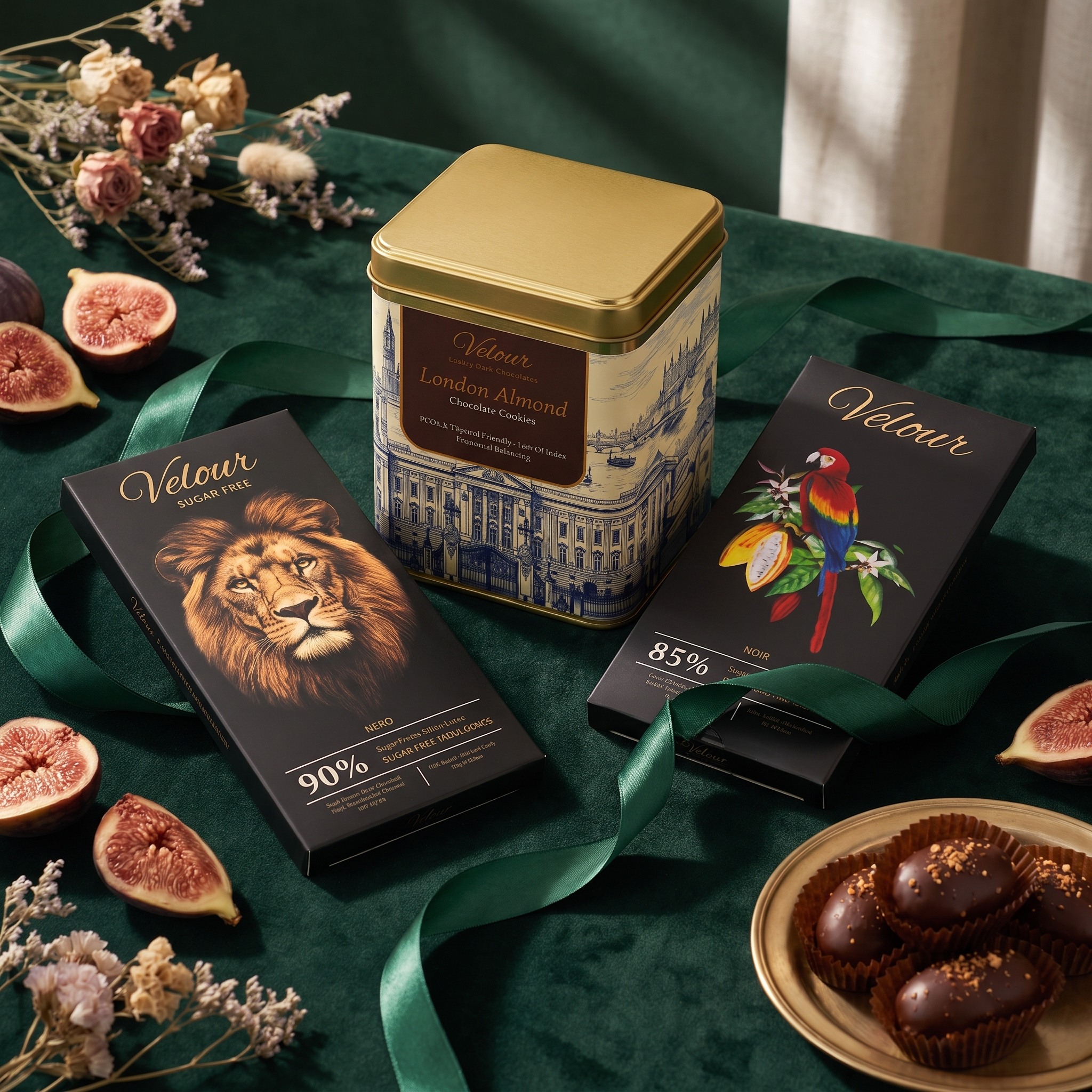
1.2g net carbs per cookie, no refined sugar, sweetened with whole date powder, made with almond flour and flaxseed. The most PCOS-optimised cookie available in India. Gluten-free, dairy-free, vegan. Shop →

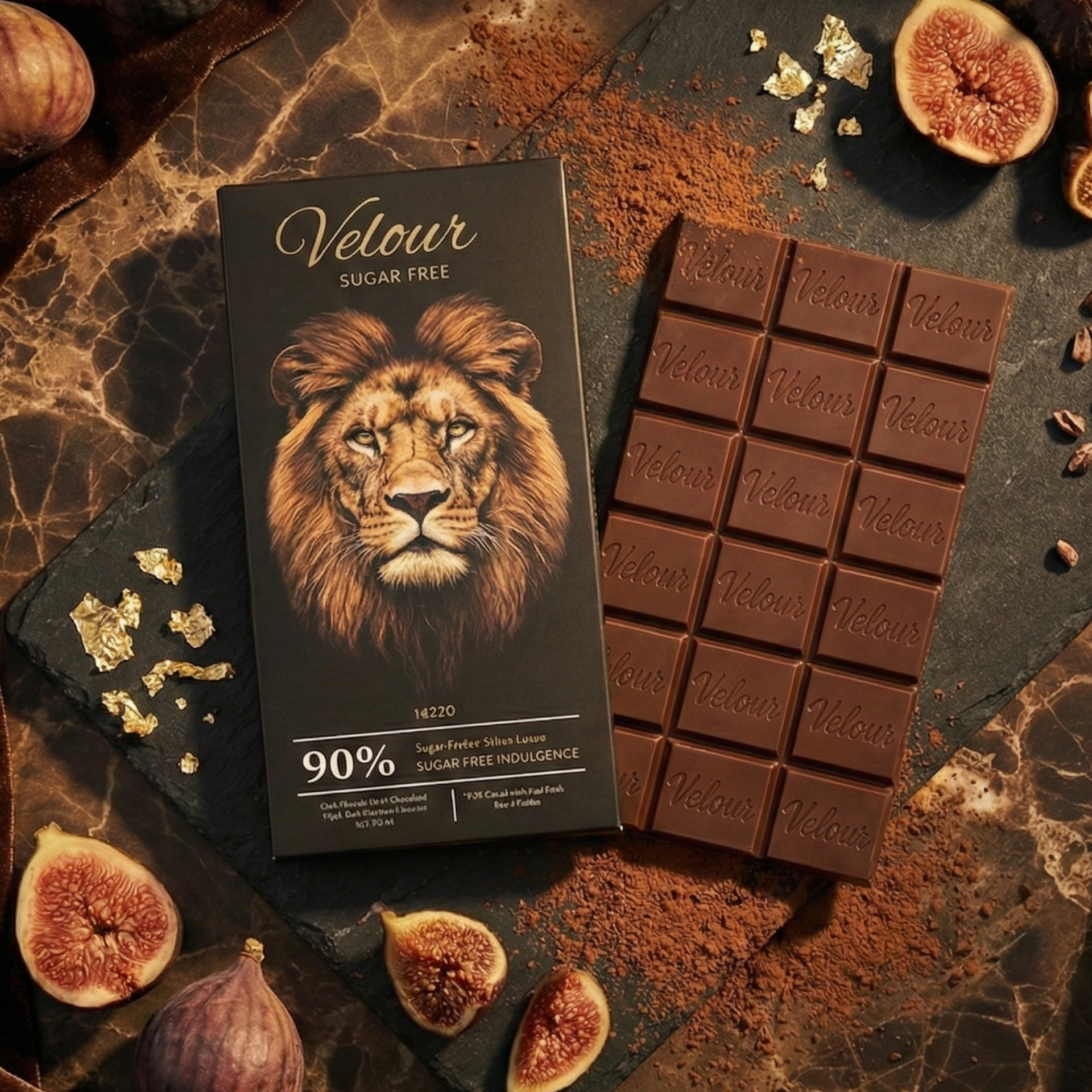
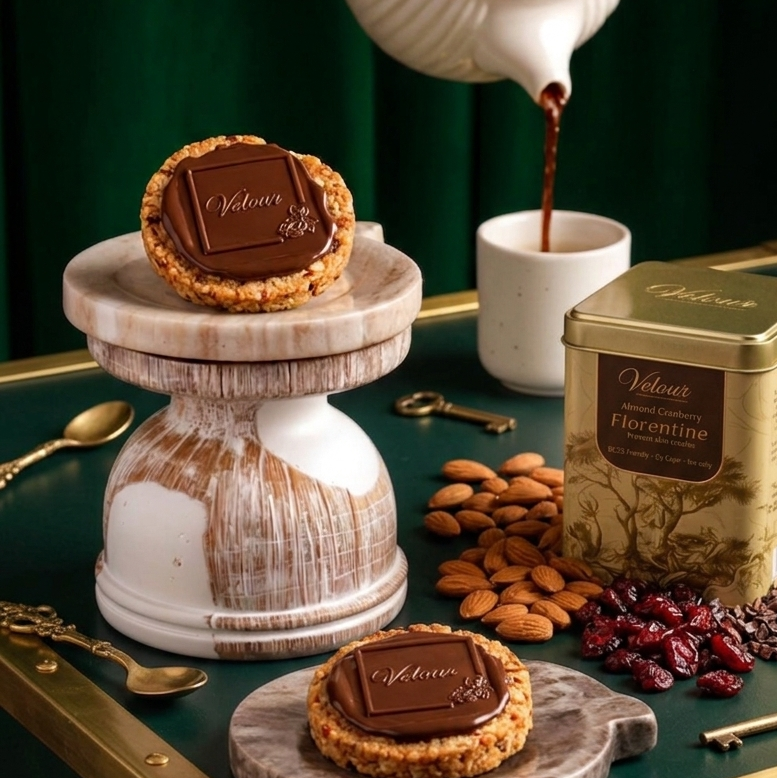
A week’s worth of hormone-safe snacking in one set. Oat-based Florentine cookies and two sugar-free 90% dark bars — zero refined sugar across the board. Shop →

Both PCOS-friendly cookie varieties together — Florentine and London Almond — for variety without compromising on your low-GI goals. Shop →
How quickly does a low-GI diet help PCOS?
Most women notice improvements in energy levels and reduced cravings within 2–4 weeks. Menstrual regularity improvements typically appear over 3–6 months of consistent dietary changes. Insulin sensitivity improvements have been documented in studies as short as 8–12 weeks.
Do I have to count the glycemic index of every food?
No. A practical approach: eliminate refined sugar and maida, replace white carbohydrates with whole grain or legume alternatives, always pair carbohydrates with protein and fat, and choose whole fruit over juice. These four rules cover most of the benefit without obsessive tracking.
Is rice bad for PCOS?
White rice in isolation is high-GI. But eaten in a typical Indian meal with dal, sabzi, and ghee, the overall glycemic load is significantly lower. Portion control matters more than elimination. Brown rice, millets, or red rice are lower-GI alternatives worth exploring.
Can I eat sweets on a low-GI PCOS diet?
Yes — if they’re made with the right ingredients. Sweets and treats made from almond flour, oat flour, natural sweeteners (date powder, raw honey, stevia), and high-cacao dark chocolate are compatible with a low-GI PCOS diet. Traditional mithai made with maida and refined sugar is not.
Is a low-GI diet the same as a keto diet?
No. A low-GI diet reduces high-GI carbohydrates but doesn’t eliminate them. Keto eliminates almost all carbohydrates. Both can improve insulin sensitivity, but a low-GI diet is generally more sustainable long-term and nutritionally complete. Most clinicians recommend low-GI over keto for PCOS management.
Disclaimer: This article is for informational purposes only and does not constitute medical advice. Please consult your doctor or registered dietitian for personalised guidance on managing PCOS through diet.